
When every new development makes the same promises, buyers fall back on price. A clear brand idea, built on the people you want to attract and the place you’re building in, gives them something else to choose.
Read ten brochures and you’ve read them all
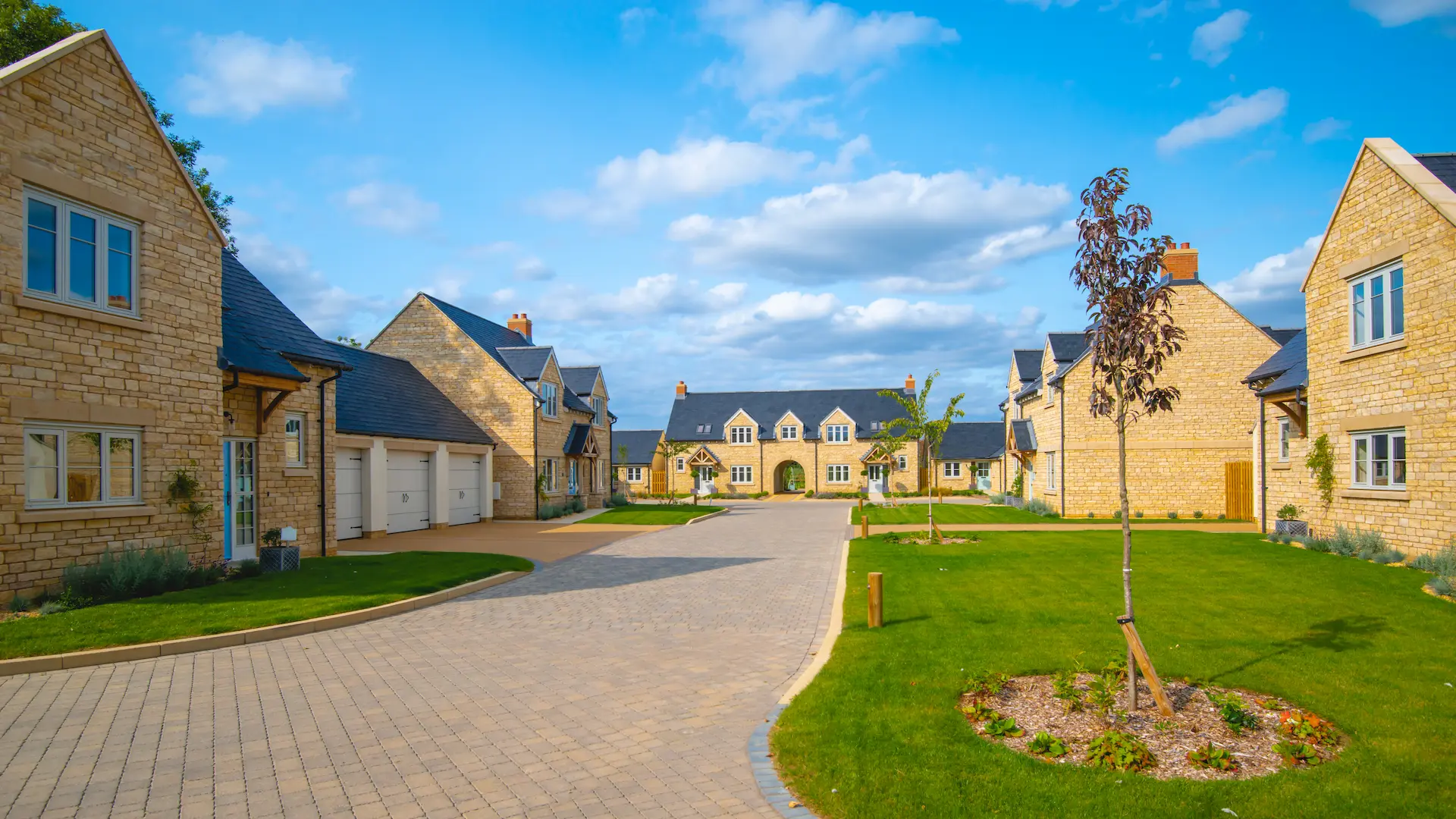
Pick up the marketing for almost any new-build development and you’ll find the same handful of phrases. Contemporary living. Desirable location. Thoughtfully designed homes. A vibrant community. The CGIs show the same golden-hour light, the same couple at the same kitchen island, the same dog asleep on the same rug.
The work itself is often good. The photography is beautiful, the brochures are polished and the websites do their job. But cover up the development names and try to tell them apart. Most people can’t, and buyers are no different.
It happens for understandable reasons. Marketing tends to be briefed late, once the scheme is designed and the launch date is set. The safe route is to describe what’s there: the bedrooms, the spec, the commute. Every developer has those, so every developer ends up saying them.
When everything sounds the same, buyers compare on price
Buyers still have to choose, and when the stories blur together they fall back on what they can measure. Price per square foot. Number of bedrooms. Distance to the station. The size of the incentive.
That’s a hard place to sell from. If the number is the only difference a buyer can see, the number has to do all the work, and the margin pays for it in part-exchange deals, stamp duty contributions and upgraded kitchens.
Brand strategy has a commercial job to do here. It gives people a reason to prefer one development over another before they start comparing figures. How people feel about a place shapes what they do next, from whether they book a viewing to whether they’re still talking about the show home on the drive back.
Start with the people you want living there
Distinctiveness starts with knowing who you’re trying to attract better than the development down the road does.
A first-time buyer leaving a rented flat in town wants something very different from a couple selling the family home they’ve lived in for 30 years. One is buying independence and a foot on the ladder. The other is buying less upkeep without giving up the garden, the neighbours or the sense of having somewhere that’s theirs. Same three-bed plan, two very different reasons to move.
Once you know which of those people you’re building for, and what’s keeping them up at night, the positioning gets much clearer. You stop describing homes and start describing a life one particular person would recognise as theirs.
Find the story that’s already in the ground
The other half of the answer is place. “Desirable location” is what a development says when nobody has looked closely at where it’s being built.
Every site has something real to work with. The history of the land, the walk into the village, the view that only exists from this hill, the school half the town went to. We believe people give places meaning and places shape how people feel, and a brand built on something true about the location, the community around it and the people moving in is much harder to copy than a lifestyle shot.
It also has to hold up. Buyers walk the site, drive round on a Sunday and read the reviews, so a promise the place can’t keep falls apart at the first viewing.
One idea, from hoarding to show home
A clear brand idea gives everything else a job. The development name, the identity, the hoardings, the website, the brochure, the sales suite and the way the team answer the phone should all feel like the same place.
Usually they’re briefed separately, to different suppliers, at different times. The hoarding goes up before the website is built. The sales suite is fitted out by someone who’s never seen the brochure. Each piece can be good on its own, and the buyer still feels the joins.
When one idea connects them, each touchpoint builds on the last. The feeling someone gets driving past the hoarding is there again on the website, and it’s still there when they walk into the show home. That consistency is what turns interest into a viewing, and a viewing into a reservation.
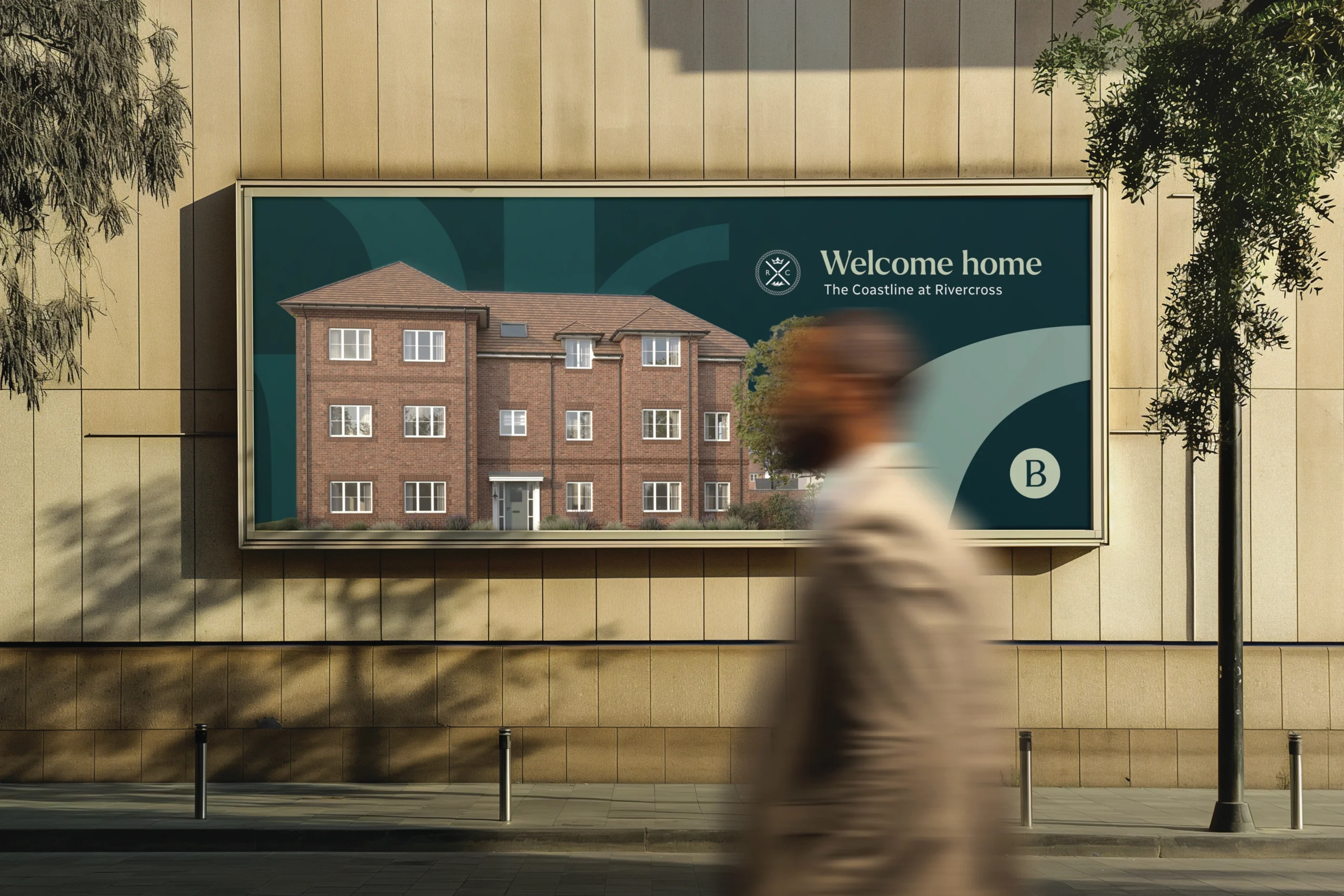
We saw this with Bargate. We rebuilt their identity around the feeling of home, and enquiries rose 10.9%. Branded clicks rose 30%, which means more people were searching for Bargate by name. That’s what a reason to be chosen looks like in numbers.
The name test
Here’s a quick test for any development you’re marketing right now. Take the name off the hoarding, the homepage and the brochure cover. Would anyone know it was yours?
If the answer’s no, a new logo won’t fix it. What will is a brand idea built on the people you want to attract and the place you’re building, carried through every point where buyers meet it.
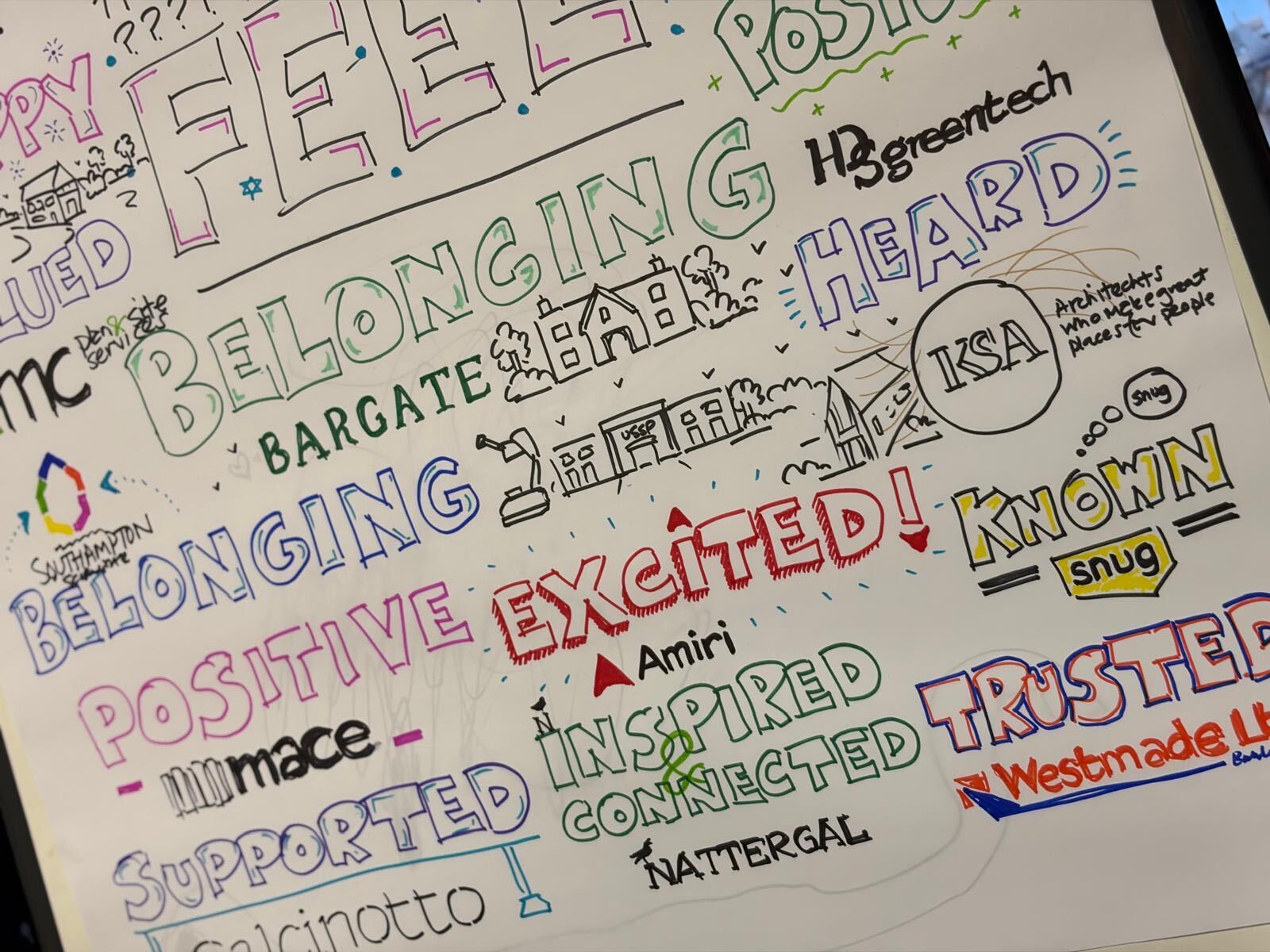
Our feel.forward™ diagnostic shows how your development’s brand makes people feel today, and where it could work harder.