
It’s what people make of it that matters.
A great location, impressive building or brilliant set of facilities gives your brand something to work with, but none of those things is the brand itself.
It’s easy to forget when your physical asset is one of the strongest assets you have. A hotel talks about its views and rooms, a science park, its facilities and connections, an attraction of what there is to see and do.
All of it matters. But those things describe what is there, not necessarily why someone should choose it, care about it or want to return.
The difference is what the place means to people.
People arrive before they get there
Nobody encounters a place for the first time when they walk through the door. By then, they have already formed an opinion.
They may have found you through a search engine, heard about you from someone else, seen a campaign, liked a social post, visited your website, read reviews or followed a recommendation.
Long before the physical location has had a chance to impress them, your brand has started shaping what audiences expect to find when they arrive.
That matters because two organisations can offer remarkably similar things on paper and create completely different expectations in someone’s mind.
A hotel can occupy an extraordinary location and still look interchangeable online. A workplace can offer excellent facilities without giving a prospective employee much sense of why they would want to spend their time there.
This is where brand strategy earns its keep. It takes the physical place and asks a different question: what should this place mean to the people we want to choose it?
Your brand identity gives that meaning, something people can recognise and remember, through the words, ideas and visual language they encounter before they ever experience the place itself.
A great place still needs to give people a reason to go
Bombay Sapphire’s distillery already had plenty going for it. A distinctive setting, a globally recognised brand and an experience you couldn’t get anywhere else.
The opportunity wasn’t to change the place. It was to showcase the experience before people got there.
When we redesigned the distillery website, we treated it as more than a booking platform. It became the start of a customer’s visit: pulling the setting, atmosphere and experiences forward, while making the journey from discovery to booking much simpler.
We reworked the user journey and experience around the reasons people actually visit – tours, tastings, cocktails and the wider distillery experience. Using photography, video and written content to give people a stronger sense of what awaited them when they arrived.
The result was an increase in visitor bookings, alongside growth in website traffic and online shop sales.
The physical experience hadn’t changed. The customer expectations of the brand and experience had.
Expectations vs reality
Getting someone there is only part of the job. Once they arrive, the expectation created by the brand meets the reality of experiencing it.
This is often where organisational structures start getting in the way.
Brand sits with one team, digital with another, customer or employee experience somewhere else, while the physical environment may have its own owners and specialists.
People don’t experience any of those divisions. They don’t understand the internal politics or why the experience is delivered the way it is. They experience one organisation and one brand.
They don’t distinguish between the website that persuaded them to visit and the communications they encounter when they arrive. They don’t care which team wrote the email, commissioned the signage or created the content on the screen in front of them.
They simply notice whether it all feels like the same place.
That doesn’t mean brand should dictate the architecture, interiors or operational experience. It means the strategy and identity need to be strong enough to remain recognisable wherever the brand meets a person.
If the website promises one thing, the communications suggest another, and the experience around the place feels unrelated to both, the brand begins to fracture.
One of the most extreme examples of expectation colliding with reality has a name: Paris syndrome.

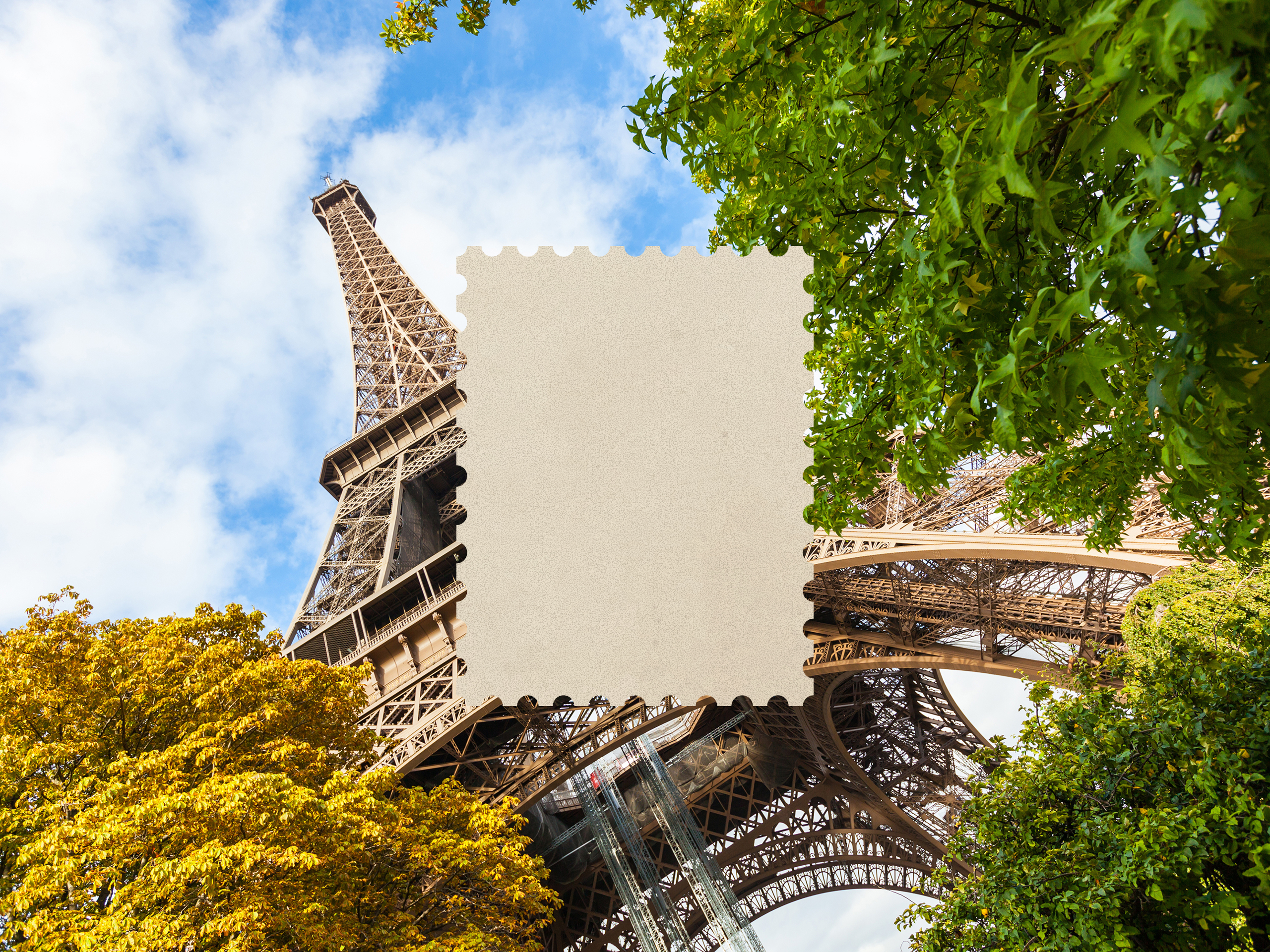
For decades, Paris has been sold as a feeling as much as a place: romance, elegance, charm on every corner. Films, adverts and social feeds have built an image so powerful that some visitors arrive expecting to feel it the moment they step off the train.
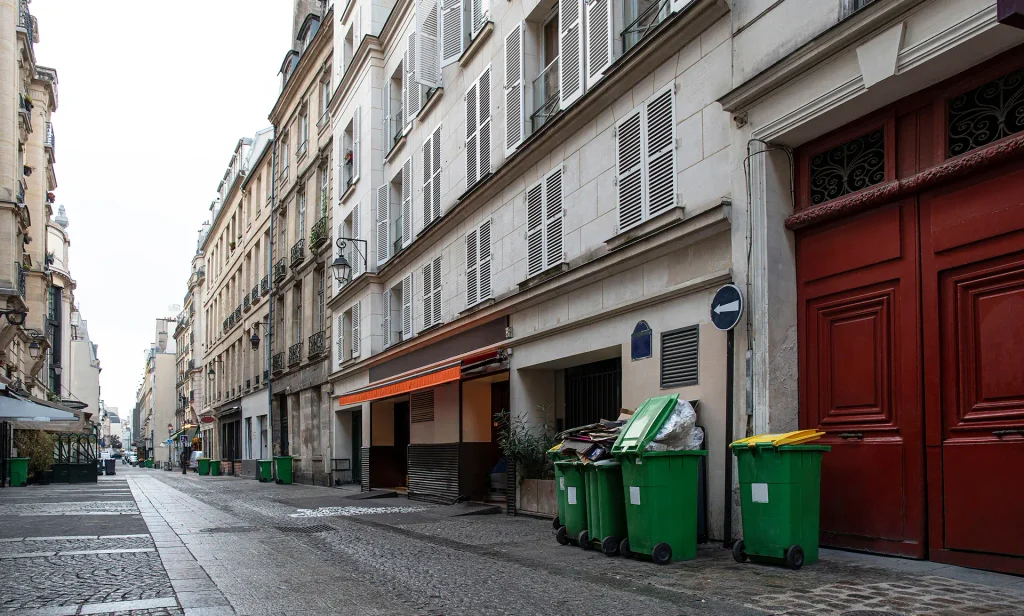
Then they meet the real city. Crowded metros, brusque service, queues, noise and litter. Paris hasn’t changed. It’s still one of the most remarkable places in the world. It just doesn’t feel the way people were promised it would.
For a small number of visitors, the gap is so great that it becomes genuinely distressing. In the 1980s, Japanese psychiatrist Hiroaki Ota identified a pattern of anxiety and shock among visitors whose idealised vision of the city didn’t survive contact with the real one.
The location delivered. The feeling didn’t.
This is why place branding cannot simply be an identity applied to an asset. The identity needs to express an idea that can live across the experience, from the first search to the moments where the brand shows up somewhere real.
The obvious advantage is the physical location. The challenge is to translate this experience far before people arrive there. Leave a lasting impact
Eventually, someone checks out, goes home, finishes work, leaves the attraction or continues their journey.
The asset stays where it is. Their impression of it goes with them.
What they remember will influence what happens next, whether that’s booking again, recommending the place to someone else, leaving a review, applying for a job there or choosing it over an alternative in future.
People don’t remember places as a list of features.
They remember what stood out, what surprised them, whether the experience lived up to what they expected and what they told someone about it afterwards.
Happiness = Reality – Expectations is a modern philosophy, with ancient roots in Buddhism and Stoicism. We know humans are happier when their expectations meet reality, and happy people are scientifically more likely to share and recommend experiences.
This is where the commercial value of your brand becomes clearer.
A great location might help someone discover you. Better facilities might help you onto a shortlist. Architecture might create an impressive first encounter.
But those advantages are vulnerable. Competitors can refurbish, upgrade their offer, improve their facilities or open somewhere equally convenient.
What is harder to reproduce is a clear idea of who you are and what being there means, consistently expressed through strategy, identity and experience until people begin to associate it with you.
That’s what made our Bombay Sapphire work commercially important. The distillery itself was already distinctive. By making more of that experience before people arrived, the digital journey gave them a clearer reason to go – and an easier route to act on it. Visitor bookings increased, alongside website traffic and online shop sales.
That doesn’t make the physical location less important. It makes the brand around it more important.
The commercial question isn’t simply whether people like the building, appreciate the facilities or enjoy the location. It’s whether the whole experience gives them a reason to choose you and, later, choose you again.
For organisations where people and place meet, that relationship begins before someone arrives and continues long after they’ve gone.
The strongest brands understand what they want this relationship to mean, give it a distinctive expression and make sure it remains recognisable wherever people encounter them.
Owning an exceptional physical place is an advantage.
Owning a place in people’s hearts and minds is what gets them there.
Great place. Is your brand doing it justice?
If what people expect and what they experience don’t quite line up, we’d like to help you close the gap.
What else has got us talking?